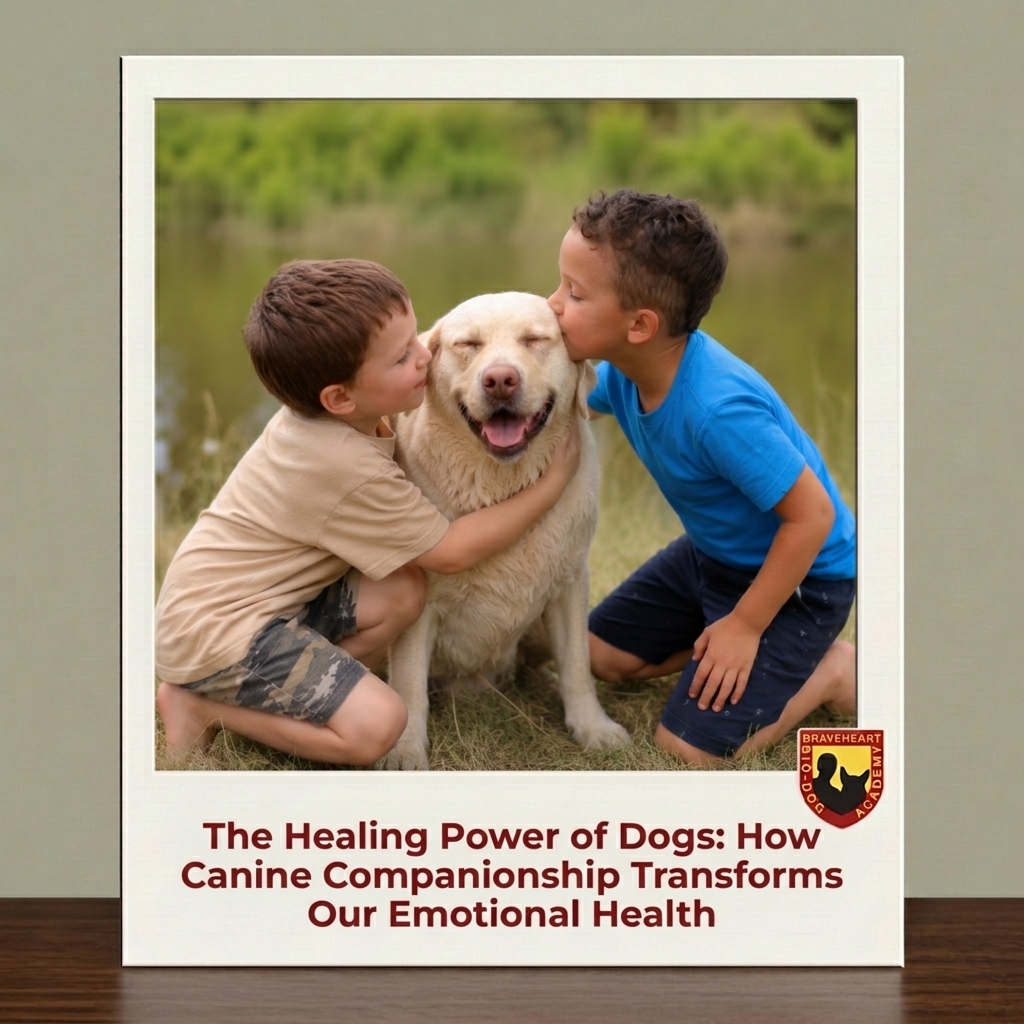
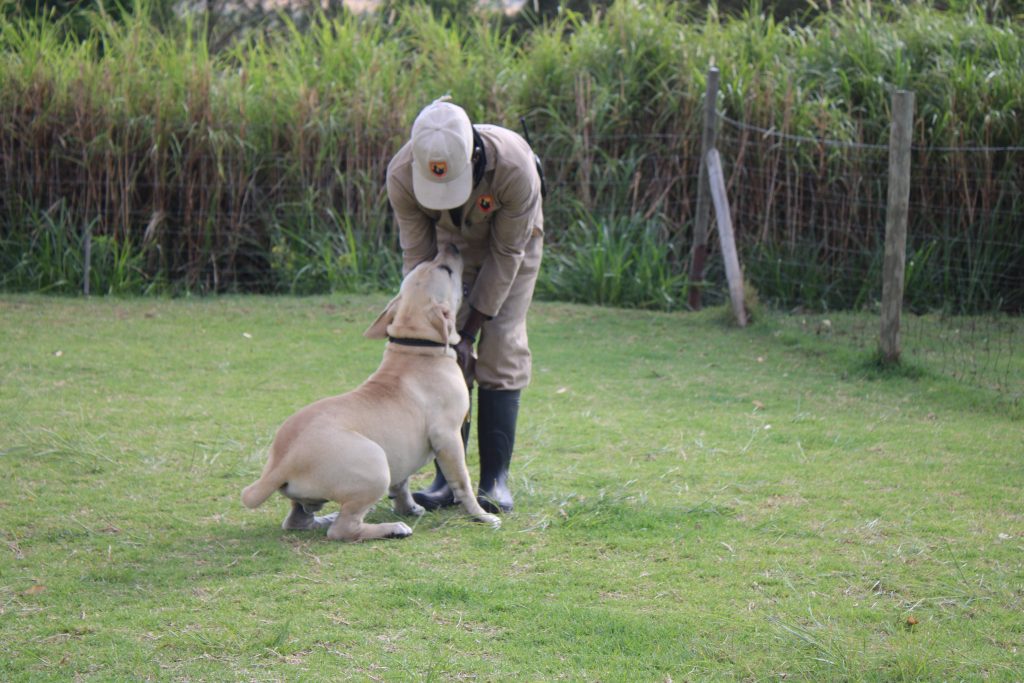
At Braveheart Bio Dog Academy, everything we do is built on one simple truth: the relationship between people and dogs is one of the most enduring partnerships in history. Modern science continues to uncover just how remarkable this bond truly is from wolf to companion.
Research shows that the genetic difference between the modern dog and the wolf is only about 0.04%, yet this tiny difference has transformed a wild animal into humanity’s most loyal companion.
The wolf exists independently without human social bonds, but dogs actively pursue relationships with people.
Dogs display this unique behavioural pattern, which distinguishes them from other animals. The species exhibits wide morphological diversity, encompassing both small lap dogs and large working breeds that weigh more than 100 kilograms. Yet, they share domestication and an affectionate nature as their core characteristics. Over thousands of years, dogs have adapted to fit into human lives, depending on people for care, shelter, and purpose.
Selective Breeding and Shared Survival
The diversity of modern breeds is a relatively recent development. According to John Greyvenstein, most of the distinct breeds we know today emerged only in the past 150 years through deliberate selective breeding by humans.
People have shaped dogs to perform specific roles, such as herding, guarding, and retrieving, and in doing so, have reinforced the behavioural traits that make them such trainable and cooperative partners.
This history explains why dogs remain so responsive to training and so deeply bonded to their owners. The animals defend their territory against all intruders, including human residents who share their space because they view people as members of their pack and under their protection.
Mutual Beneficial Relationship
The relationship between humans and dogs is a two-way exchange. Dogs provide protection, companionship, and service; humans provide care, structure and a place in the family. The successful growth of human and dog populations has become possible due to their shared need for one another. The release of dogs from human care would result in their transformation into a standard, non-specialised breed within a few years, according to Greyvenstein, because their current form exists due to human partnership.
Scientific knowledge enables people to build stronger connections with their romantic partners.
Braveheart Bio Dog Academy embraces the latest genetic and behavioural insights to help owners better understand their dogs. The understanding that temperament and behaviour result from genetic and environmental factors enables us to train dogs through methods that honour their natural tendencies while helping them reach their full potential.
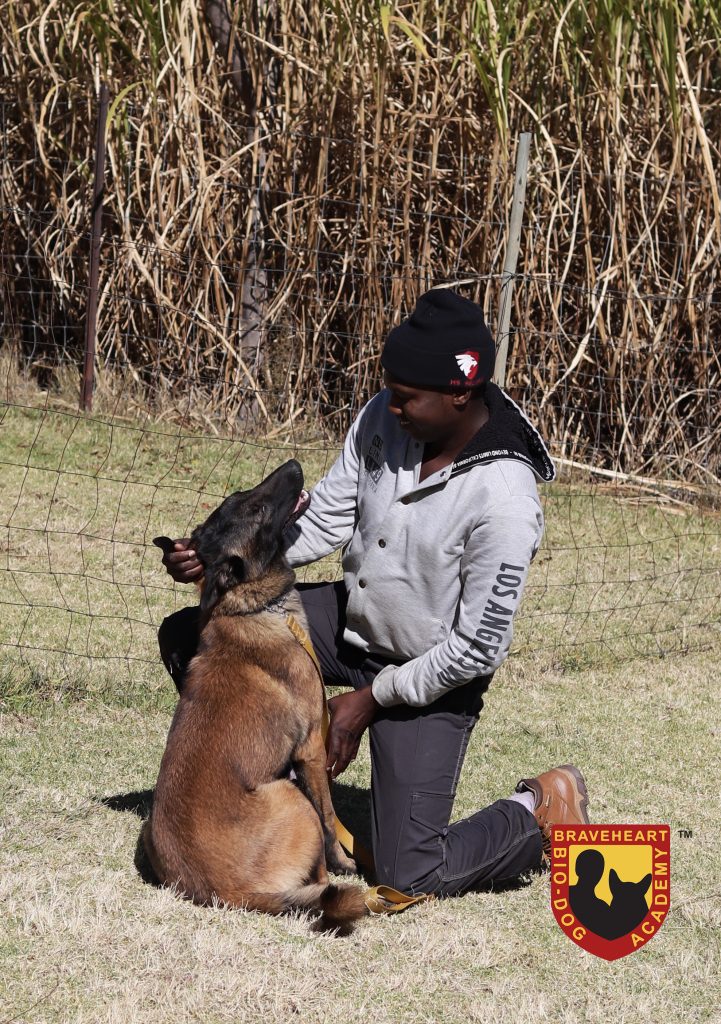
We recognise the complete evolutionary history of dogs from their wild origins to domestication through evidence-based training methods and compassionate practices. The connection between humans and dogs exists beyond chance evolution because people have intentionally developed this bond, which needs continuous attention and appreciation.
Reference:
Greyvenstein, J. (2019). Research findings about dog genetics, together with human-dog bond studies. Braveheart Bio Dog Academy. Based on material from the “Verhouding tussen mens en hond” discussions, September 2019.