Drug abuse remains one of the most serious challenges facing modern society. It destroys lives, breaks families, and places immense pressure on communities — especially affecting the youth.
At Braveheart Bio-Dog Academy, the fight against narcotics goes beyond enforcement. It combines science, prevention, and compassion, using highly trained detection dogs to support law enforcement, schools, and communities in building a safer future.
The Unseen Heroes in the War on Drugs
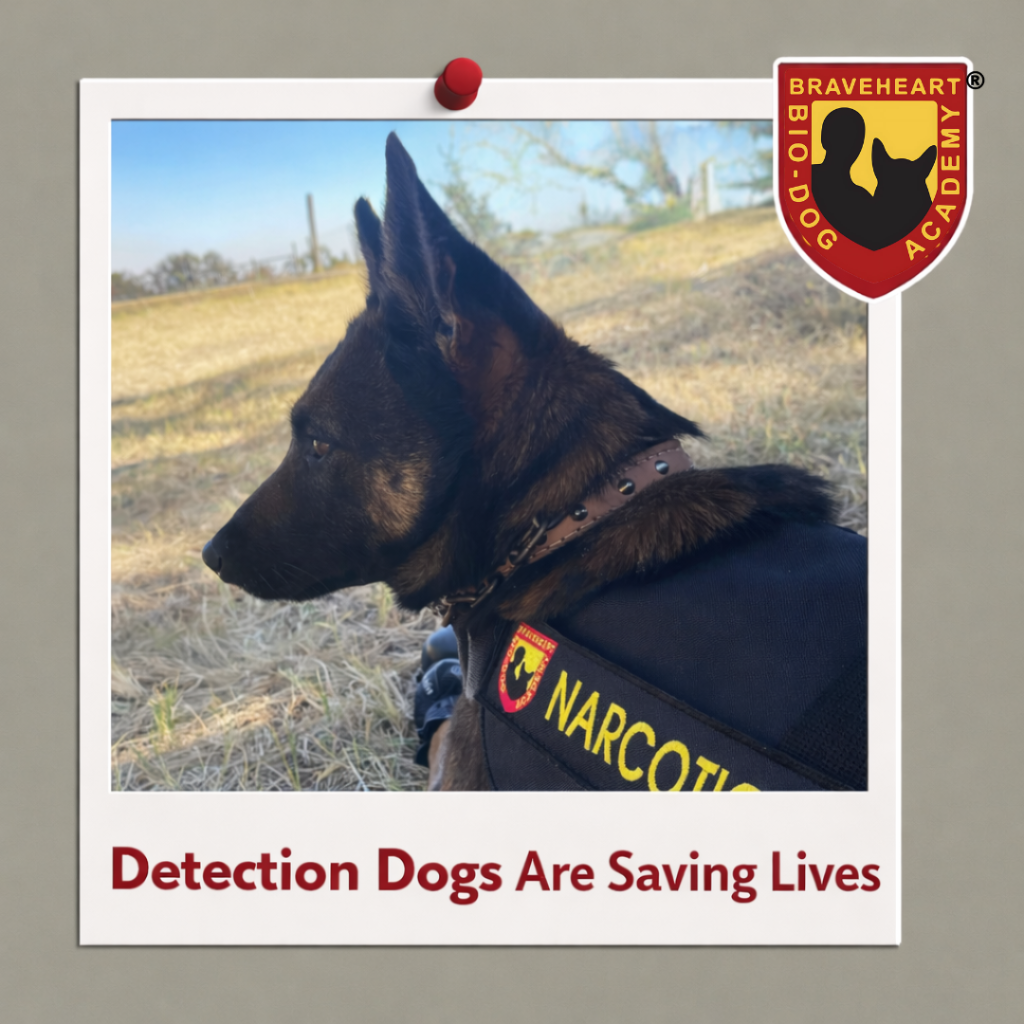
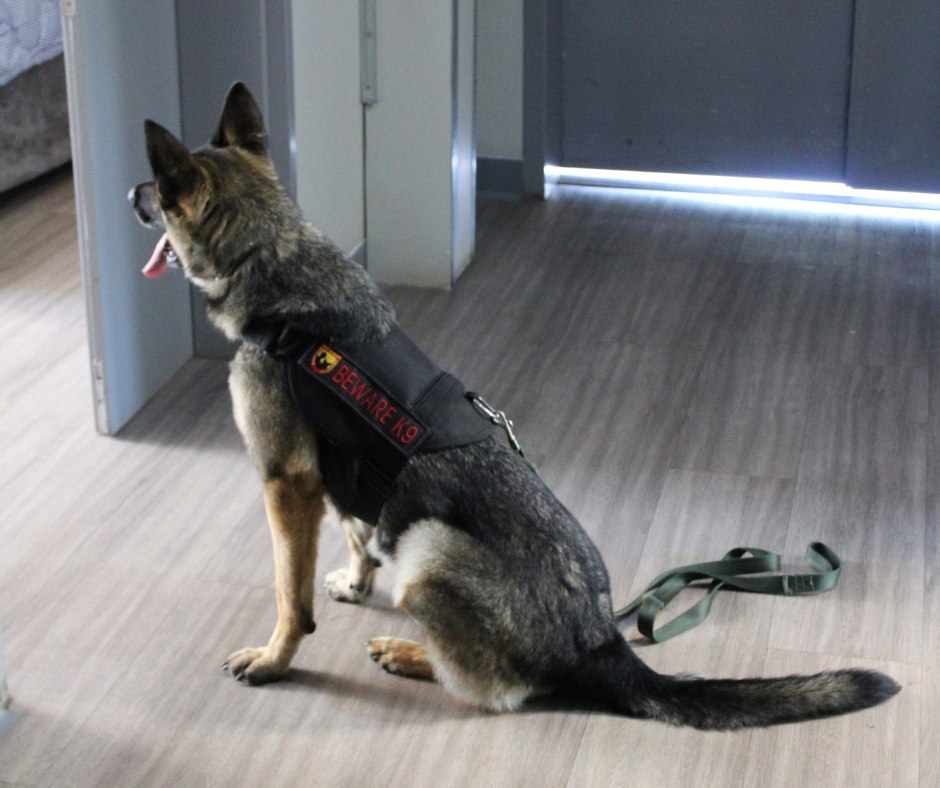
Detection dogs are among the most powerful tools in combating narcotics.
A dog’s sense of smell is estimated to be over 1,000 times stronger than that of humans, allowing them to detect microscopic scent traces that would otherwise go unnoticed.
To put this into perspective, John Greyvenstein explains:
Imagine a stadium filled with millions of ping pong balls — and only one is painted black. A detection dog can find that single ball.
This extraordinary ability allows detection dogs to:
- Identify drugs hidden in sealed containers
- Detect substances buried underground
- Locate narcotics masked by strong odours
At Braveheart Bio-Dog Academy, these capabilities are applied daily in collaboration with:
- South African Police Service (SAPS)
- Private security firms
- Schools and institutions
In one real case, a trained dog detected marijuana seeds inside a sealed box, demonstrating the precision and reliability of scientific detection training.
Science-Based Training for Precision Detection
What sets Braveheart apart is its research-driven training methodology.
Rather than relying on general scent exposure, the Academy trains dogs at a molecular level, teaching them to recognise the unique chemical signature of each substance.
This approach ensures:
- High accuracy in detection
- Consistency across different environments
- Reduced false positives
Overcoming Concealment Tactics
Drug traffickers often attempt to disguise narcotics using:
- Perfumes
- Cleaning agents
- Air fresheners
Through controlled desensitisation training, Braveheart dogs learn to:
✔ Ignore distracting scents
✔ Focus only on the target molecular signature
✔ Maintain performance under pressure
Staying Ahead of Evolving Threats
The narcotics landscape is constantly changing, with new synthetic drugs entering the market.
Braveheart Bio-Dog Academy’s research laboratory continuously monitors these developments, ensuring dogs are trained on updated scent profiles.
Detection capabilities include:
- Cocaine
- Heroin
- Mandrax
- Ecstasy
- Cannabis
- Synthetic drugs such as tik and cat
This ongoing research ensures that Braveheart’s detection dogs remain ahead of criminal innovation.
Protecting Communities Through Prevention
Braveheart’s impact extends beyond enforcement into community protection and education.
The Academy works closely with:
- Schools
- Youth programs
- Community organisations
Through proactive inspection programs, detection dogs help:
- Prevent drug distribution in schools
- Reduce drug-related incidents
- Create safer learning environments
Importantly, Braveheart often provides these services regardless of financial constraints, reinforcing its commitment to protecting the next generation.
More Than Detection: A Human–Canine Partnership
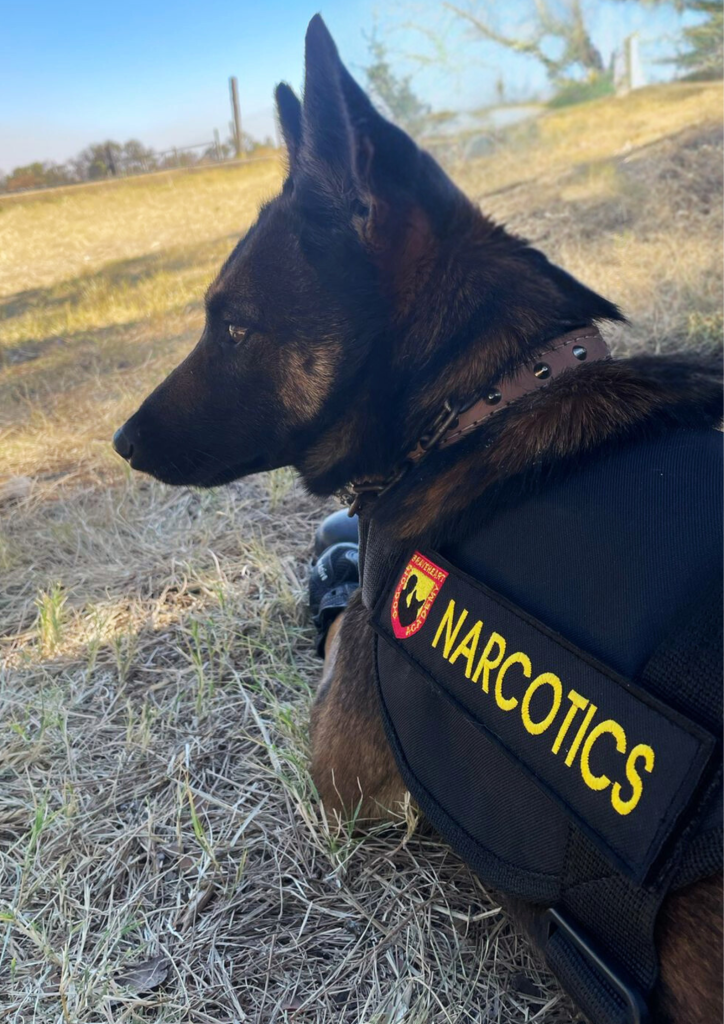
Braveheart’s detection dogs are more than operational tools — they are part of a powerful human-canine partnership.
These dogs:
- Protect lives through detection work
- Provide reassurance and stability in communities
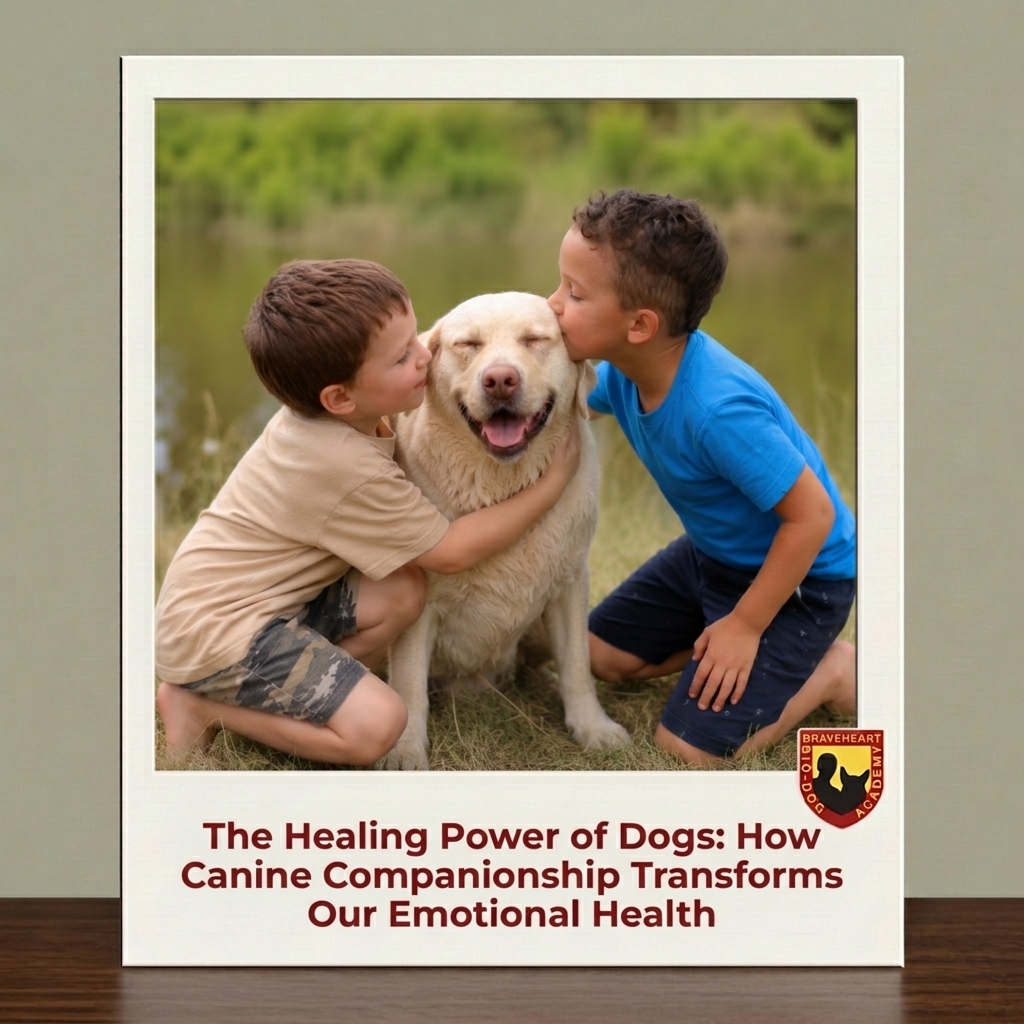
- Contribute to rehabilitation environments as therapy companions
This dual role highlights the deeper mission of Braveheart Bio-Dog Academy:
👉 To use science, training, and empathy to create meaningful change.
A Safer Future Through Science and Training
The fight against narcotics requires more than enforcement — it requires innovation, education, and compassion.
Through advanced training methods, ongoing research, and a commitment to community well-being, Braveheart Bio-Dog Academy continues to lead the way in detection dog training in South Africa.
Their work proves that when science and instinct come together, the result is not just detection — it is life-saving impact