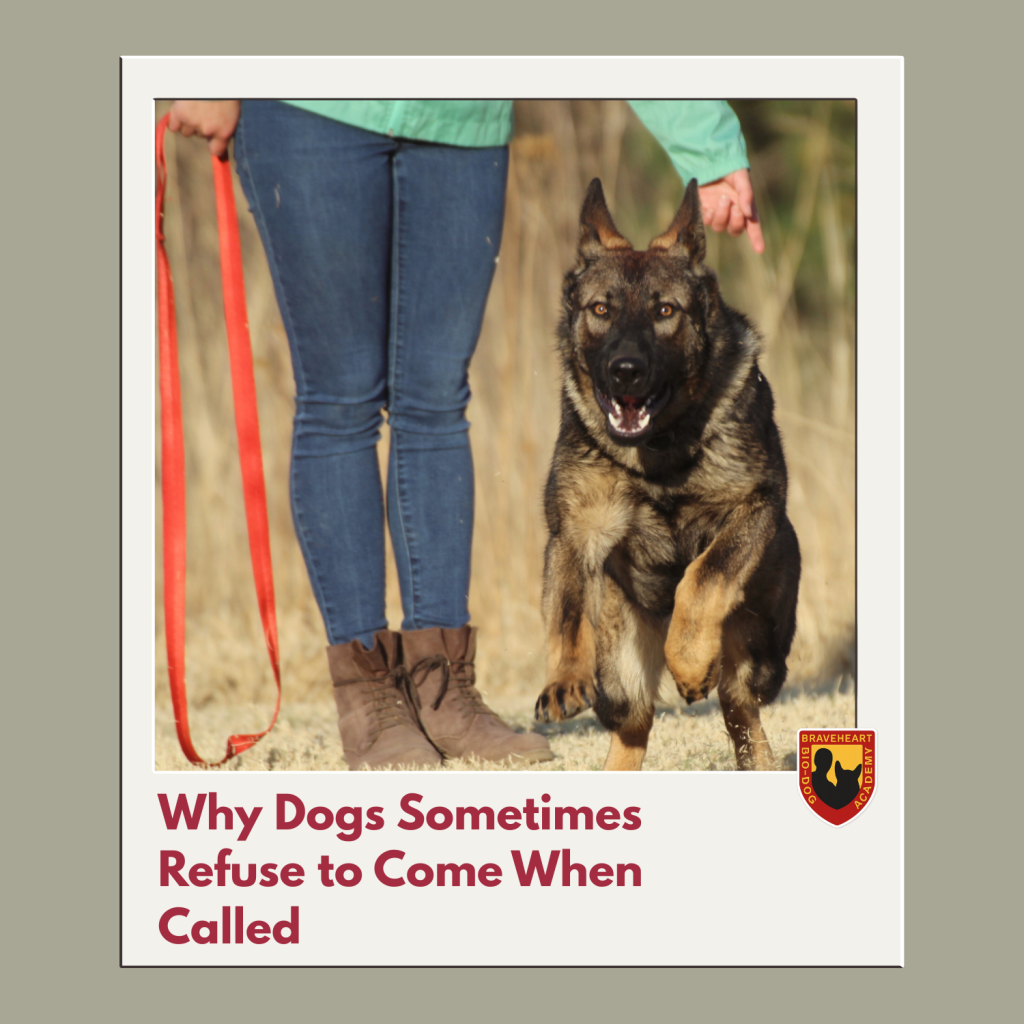
Why Dogs Sometimes Refuse to Come When Called
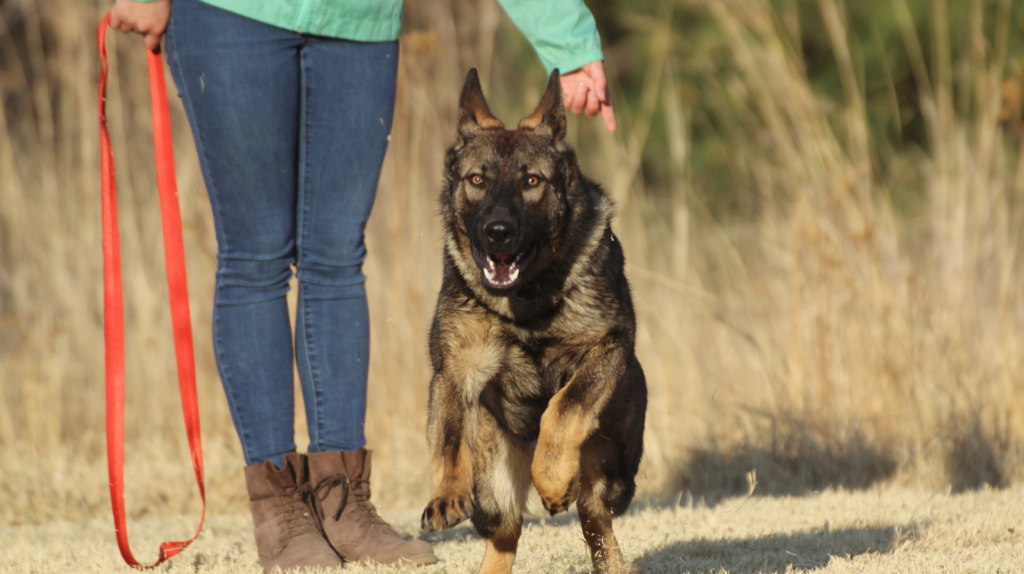
“Come!” is one of the first cues most owners teach — and one of the most frustrating when a dog ignores it. Many families assume the dog is stubborn or disobedient when it does not return immediately. In reality, hesitation to come when called often stems from emotional or environmental influences rather than defiance.
At Braveheart Bio-Dog Academy, we believe understanding behaviour is the first step toward improving it. By exploring the emotional and instinctive factors behind recall challenges, families can guide their dogs calmly and effectively.
Emotional Connection Drives Response
Dogs respond best when they feel emotionally connected to their owner. When a dog hesitates or refuses to return, it rarely means the dog is intentionally ignoring the cue. More often, the dog feels uncertain, conflicted, overstimulated, or emotionally drawn elsewhere.
Dogs make decisions based on their immediate emotional state — not human expectations. A dog may hear the cue perfectly and still struggle to respond if its focus or emotional balance is disrupted.
Distraction Is Not Disobedience
Dogs experience the world through scent, sound, and movement. A passing scent trail, rustling vegetation, or nearby animal can present instinctive information more compelling than a human voice.
This does not mean the dog is prioritising distraction deliberately. Instinct can override training when emotional pressure or stimulation levels are high. Recognising this helps owners respond with patience rather than frustration.
Sensitive dogs may freeze or hesitate because they feel insecure. These dogs process their surroundings carefully before reacting. If the owner’s tone conveys tension or frustration, hesitation often increases. Dogs respond strongly to emotional tone — sometimes more than words.
The Role of Inconsistent Experiences
Dogs learn through patterns and associations. If returning when called has previously resulted in negative outcomes, such as:
- Being brought indoors abruptly
- Ending enjoyable activities
- Experiencing owner frustration
- Being scolded or corrected
The dog may develop reluctance. Dogs remember emotional outcomes more than commands. When recall becomes linked with pressure, hesitation reflects uncertainty — not disobedience.
Emotional Overload and Excitement
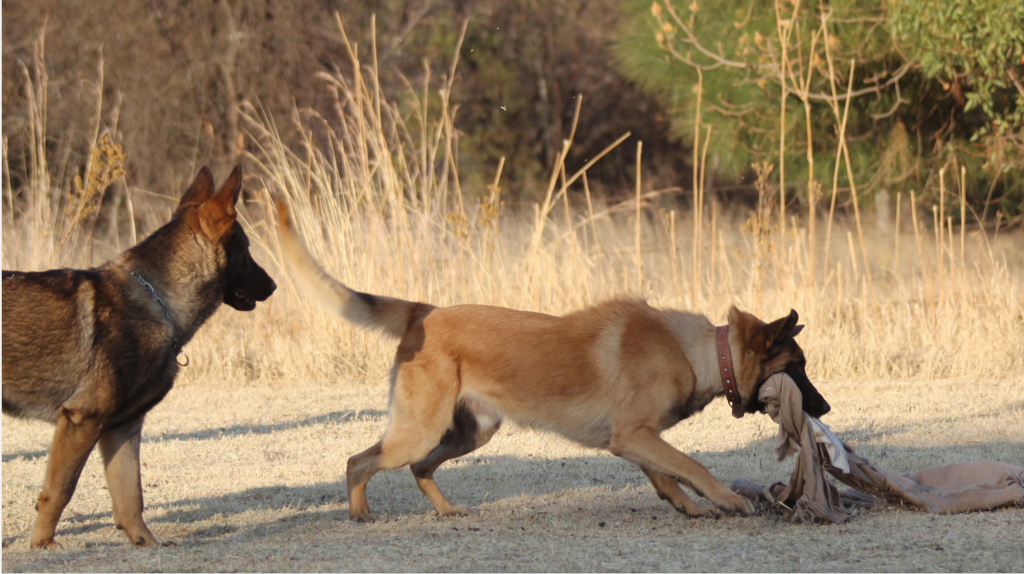
High-energy situations can overwhelm a dog’s ability to process cues calmly. During play, exploration, or social interaction, excitement can temporarily override trained responses.
This is not a training failure — it is an emotional state. In these moments, the dog’s focus shifts toward releasing energy rather than responding to instruction.
Home Structure Shapes Outdoor Behaviour
A dog’s home environment plays a significant role in recall reliability. Inconsistent routines or unclear leadership can encourage independent decision-making. Outdoors, where stimulation increases, this independence often intensifies.
Predictable structure and emotional stability at home lay the groundwork for improved responsiveness in more challenging environments.
The Impact of Body Language
Dogs interpret posture, movement, and tone before processing spoken words. A rigid stance, leaning forward, or stressed voice can signal pressure rather than invitation.
Dogs often respond more positively when owners:
- Relax their posture
- Step slightly backward
- Use calm vocal tones
Connection fosters clarity. Calm communication promotes trust and willingness to return.
Strengthening Recall Naturally
Recall improves when a dog:
- Feels emotionally connected to its owner
- Experiences consistent routines
- Trusts returning will always be safe
- Practices success in low-pressure settings
Short, calm training sessions at home build the foundation for outdoor reliability. Emotional stability should guide training more than rigid obedience expectations.
For many dogs, reward is not limited to treats. Soft praise, gentle touch, or the opportunity to continue exploring can be equally meaningful. When reinforcement aligns with the dog’s emotional needs, recall strengthens naturally.
Building Trust for Reliable Response
Dogs hesitate to come when called due to distraction, uncertainty, or emotional conflict — not wilful defiance. Recall is fundamentally emotional behaviour rather than mechanical obedience.
At Braveheart Bio-Dog Academy, we support families in building stability, trust, and calm communication with their dogs. When the emotional relationship becomes clear and secure, recall evolves into a confident and willing response rather than a forced action.