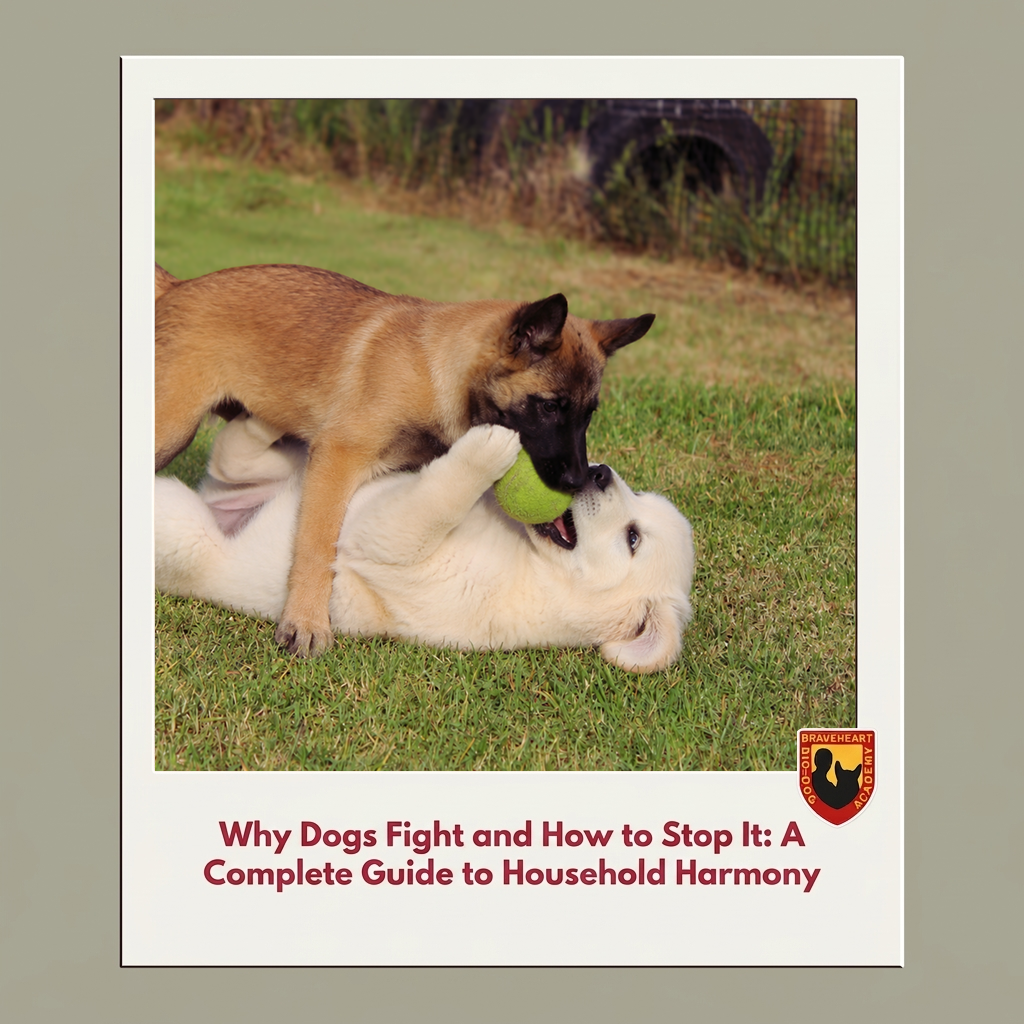
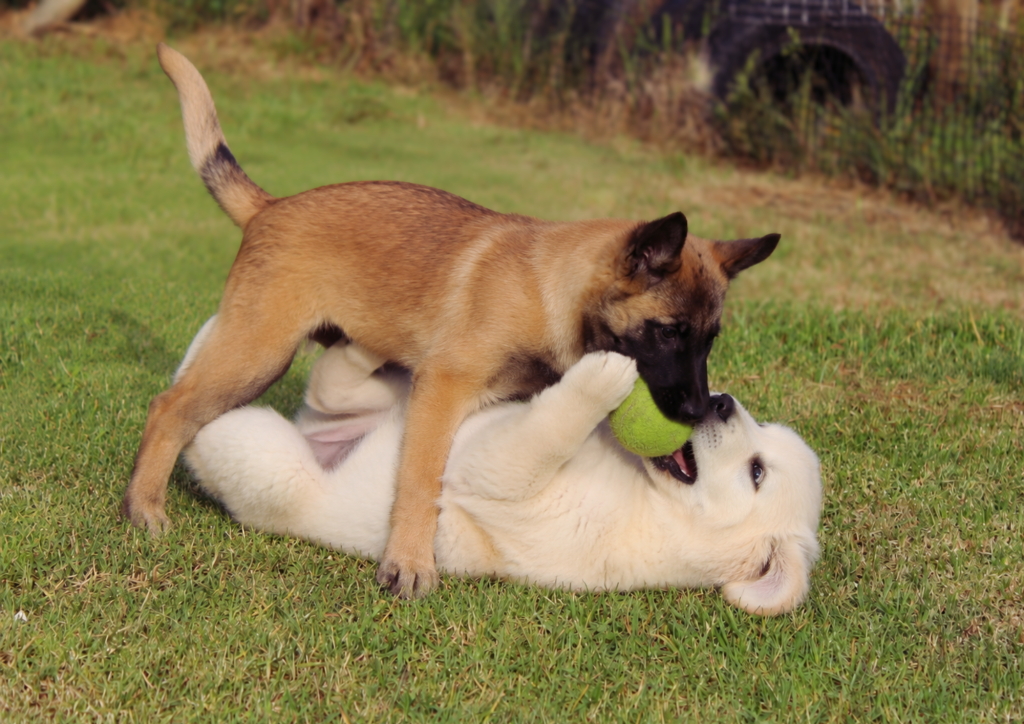
Wondering why your dogs are fighting? Discover the hidden triggers behind canine conflict, learn to read subtle body language, and find out how to safely intervene.
Dog fights are one of the most frightening experiences any pet owner can face. Even dogs that have lived peacefully together for years can suddenly reach a breaking point if the right triggers align.
If your dogs are clashing, it does not mean you have a “bad” or dangerous dog. Fighting is rarely about aggression for the sake of it—it is a natural response to stress, insecurity, or competition over resources.
The key to stopping conflict isn’t punishment or panic; it’s understanding. At Braveheart Bio Dog Academy, we help families identify early triggers, manage household dynamics, and build long-term emotional stability so conflict becomes rare and manageable.
1. Why Do Dogs Fight? Uncovering the Hidden Triggers
Dogs almost never fight without a reason. Long before the first growl or snap occurs, underlying tension has usually been building beneath the surface.
Dogs communicate discomfort through subtle body language long before they react physically. When these quiet cues go unnoticed, the situation escalates. Common triggers for dog fights include:
- Resource Guarding: Competition over food, high-value toys, sleeping spots, or human affection.
- Environmental Changes: Shifts in household routines, home renovations, or introducing a new pet.
- Multi-Dog Dynamics: Unclear social structures, or an adolescent dog testing boundaries with an older dog.
- Stress & Anxiety: High emotional energy or tension within the human family.
2. Understanding the Build-Up: Reading Canine Body Language
Most fights start long before physical contact happens. Dogs give early warning signs when they feel pressured or overwhelmed.
To the untrained eye, these signs look minor, but in the canine world, they are loud and clear:
- Stiffening posture when another dog enters their space
- Turning the head away or avoiding eye contact
- Brief, sudden freezing
- A subtle “hard eye” stare
The Escalation Path: Pressure $\rightarrow$ Warning Sign $\rightarrow$ Emotional Overwhelm $\rightarrow$ Physical Reaction.
Because owners often miss the communication leading up to the incident, the fight seems to come “out of nowhere.” Learning to read these early moments allows you to step in gently before emotions run too high.
3. How Household Dynamics Impact Dog Behavior
Dogs are emotional sponges—they absorb the energy of their environment. Busy weekends, frequent house visitors, or a family member returning from a long trip can easily shift the emotional balance in a home.
Age dynamic shifts are another common cause of friction:
- Adolescent Dogs: Young dogs reaching maturity often push boundaries with older housemates.
- Aging Dogs: Senior dogs may grow grumpy or reactive if their vision, hearing, or physical comfort starts to decline.
- Lack of Social Boundaries: Dogs that never learned proper social etiquette often fail to respect another dog’s warnings.
Creating structure, maintaining predictable feeding and exercise routines, and respecting resting spaces are essential for reducing household stress.
4. How to Safely Break Up a Dog Fight
If a fight breaks out, safety must be your top priority.
Never place your hands between fighting dogs or reach for their collars during a struggle—this is the leading cause of accidental bites.
Safe Interventions:
- Create a Physical Barrier: Slide a large piece of cardboard, a chair, or a baby gate between the dogs to break line-of-sight and physical contact.
- Use Loud, Neutral Sounds: A sudden clap or loud noise can startle them enough to break their focus.
- Separate Immediately: Once broken up, move both dogs to separate, calm spaces.
Give both dogs plenty of time to cool down before allowing any further interaction. This prevents “emotional overflow” from triggering an immediate second fight.
5. Prevention: Building Emotional Stability and Trust
Prevention is always more effective than intervention. Dogs that feel safe, secure, and clear about their expectations fight significantly less.
To keep the peace in a multi-dog home:
- Maintain Consistent Routines: Keep feeding, walking, and bedtime schedules predictable.
- Manage High-Value Items: Put away special toys or bones when multiple dogs are loose together.
- Prioritize Physical & Mental Exercise: Boredom and unspent energy frequently turn into frustration and reactivity.
Restore Harmony in Your Home Today
Not all behavioral conflicts can be resolved through home management alone. If your dogs are experiencing deep-rooted tension, unresolved trauma, or escalating fights, professional support is the safest and fastest way forward.
At Braveheart Bio Dog Academy, we don’t just train your dog—we train and guide you on how to understand, manage, and prevent conflict effectively. Together, we can establish healthy, positive boundaries so your household can thrive.
👉 Ready to transform your home into a calm, balanced environment? Visit the Braveheart Bio Dog Academy website today to schedule a consultation with our expert dog behaviorists!